
Mazda Visibility & Weatherproofing Checklist: Lights, Wipers, Glass Seals, and Door/Window Hardware
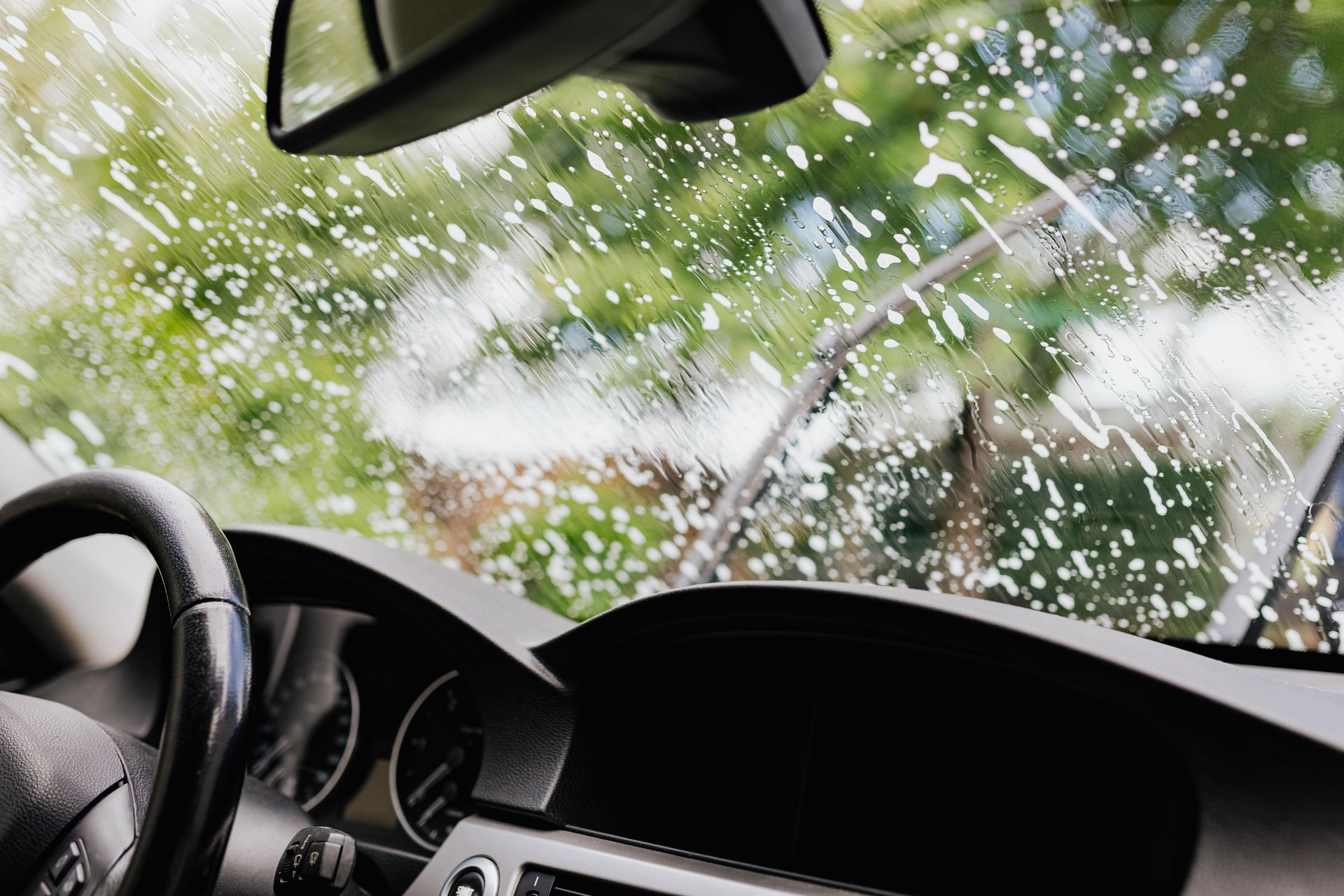
Good visibility and solid weatherproofing make a Mazda safer, more comfortable, and easier to live with every day. This checklist focuses on three practical goals: seeing clearly, keeping water and wind out, and making sure doors, locks, windows, trunks, and liftgates work as they should.
This is not a brake, drivetrain, or engine repair guide. It is focused on road legality, comfort, safety, and access. If you are dealing with dim lights, streaky wipers, water leaks, wind noise, sticky locks, broken handles, or slow windows, start here before buying parts.
- Dim or uneven lighting can reduce nighttime confidence and road visibility.
- Weak wipers can make rain driving unsafe fast.
- Leaking glass seals can cause fogging, odors, and interior moisture.
- Door and window hardware affects safe entry, exit, and security.
- Trunk, liftgate, sunroof, and trim issues can create water paths and noise.
What Counts as “Visibility + Weatherproofing.”
Visibility parts help you see and help other drivers see you. That includes headlights, fog lights, corner lights, side markers, turn signals, tail lights, interior lights, and instrument panel lights. A single failed lamp can affect safety, inspections, and how easily other drivers understand your movement.
Weatherproofing is the group of parts that keep rain, wind, and road noise outside the cabin. Auto glass, glass seals, door frames, mouldings, trunk openings, liftgates, and sunroof or hardtop parts all play a role. When one seal or panel no longer fits correctly, water can travel farther than expected before you notice it.
Access hardware matters too. Door locks, exterior handles, interior handles, door panels, window motors, and window cranks affect whether the vehicle can be opened, closed, secured, and ventilated properly. A slow window or loose handle may seem minor until it fails in bad weather.
Symptom-to-Part Quick Guide
Dim Headlights / Poor Night Visibility
Dim lighting can come from cloudy lenses, aging assemblies, weak bulbs, moisture inside the housing, poor aim, or damaged connectors. Compare both sides in the same conditions before assuming the bulb is the only issue.
Turn Signal Out / Intermittent Marker Lights
A signal that flashes quickly, works sometimes, or fails on one side can involve the bulb, socket, wiring, lens, or assembly. Marker lights and corner lights can also fail after minor bumper or fender impacts.
Moisture in Tail Lights or Housing
Water inside a lamp housing can shorten bulb life, corrode sockets, and create intermittent electrical problems. A cracked lens or failed seal may require more than another bulb.
Streaking Wipers / Uneven Wipe
Streaking usually starts with worn blades or dirty glass. Uneven wiping, slow movement, or poor park position may point to the wiper system itself.
Wind Noise or Water Leak
Wind noise, damp carpets, musty smells, and fogging may come from glass seals, door seals, sunroof drains, body openings, or previous repairs.
Door Won’t Open From Inside/Outside
A door that will not open may involve handles, rods, latches, locks, or door panel hardware. Interior and exterior symptoms can point to different parts.
Slow or Stuck Windows
Power windows that move slowly, stop halfway, or work intermittently may involve the motor, regulator, switch, tracks, or glass alignment. Manual windows may need crank or regulator inspection.
Headlights: When It’s Time to Replace vs Restore
Headlights are usually the first visibility issue drivers notice. Hazy lenses, yellowed plastic, cracked housings, moisture, broken mounts, and aged reflectors can all reduce usable light. Lens restoration may help when only the outer surface is cloudy, and the assembly is otherwise dry and secure.
Replacement makes more sense when the assembly is cracked, leaking, physically damaged, heavily clouded, or uneven compared with the other side. If the housing can no longer aim correctly or seal out moisture, restoring the surface will not solve the deeper problem. Shop Mazda headlight assemblies by year, model, trim, and lighting package.
Fog/Driving Lights: Low-Mounted and Easily Damaged
Fog and driving lights can improve close-range visibility in certain conditions, but they are not a substitute for working headlights. Because they sit low in the bumper, they are exposed to stones, curbs, standing water, and road debris.
Cracked lenses, loose brackets, dead bulbs, and moisture inside the housing are common reasons to inspect fog and driving light parts. Always confirm the lamp style and connector before ordering.
Corner Lights, Side Markers, and Turn Signals
These lights communicate your Mazda’s position and direction. They are often broken by parking bumps, fender work, bumper repairs, moisture intrusion, aging sockets, or brittle plastic tabs.
Use corner light assemblies when the front corner lens or housing is damaged. Check side marker light parts when side visibility lights are cracked or out. For lane-change and turn communication issues, shop turn signal light parts that match the exact vehicle.
Tail Lights: Visibility From Behind + Moisture Prevention
Tail lights help drivers behind you see your vehicle’s position, braking, and signaling. A cracked or leaking taillight can lead to repeated bulb failure, corrosion, and reduced rear visibility in rain or darkness.
If moisture keeps returning after bulb replacement, the housing or seal may be compromised. Browse tail light assemblies when the lens, mounting tabs, or sealing surface is damaged.
Interior & Instrument Panel Lights: Night Driving Without Distraction
Interior lights help with entry, cargo loading, and cabin visibility. Instrument panel lights help you read speed, fuel level, warning indicators, and controls without taking extra attention away from the road.
If dome, map, cargo, or door-area lights fail, inspect interior light parts. If gauges or controls are dark or uneven, review instrument panel light parts.
Wipers: Blades vs System Parts
Wiper Blades
Wiper blades are the easiest first step when the windshield streaks, chatters, skips, or leaves cloudy patches. Heat, sun, road grime, and age harden the rubber. If cleaning the windshield does not help, replace the blades before the heavy rain season. Shop windshield wiper blades by correct size and arm style.
Wiper Systems
If new blades still wipe poorly, the issue may be deeper. Slow sweep, uneven travel, loose arms, noisy linkage, or wipers that park in the wrong spot can point to the motor, linkage, arms, or related hardware. Inspect windshield wiper system parts when blade replacement is not enough.
Auto Glass & Seals: Stop Leaks, Wind Noise, and Fogging
Auto Glass
Chips, cracks, scratches, and distortion can affect visibility, especially at night or in direct sunlight. Damage in the driver’s view deserves prompt attention. If glass replacement is needed, use Mazda auto glass matched to the body style and equipment.
Auto Seals
Seals and weatherstripping help keep water, wind, and dust outside the cabin. Water intrusion can lead to fogging, mildew smells, stains, and electrical concerns if moisture reaches sensitive areas. Whistling at highway speed or wet trim after rain can point to glass seals and weatherstripping.
Doors and Locks: Exterior Hardware That Affects Safety
Locks and Hardware
Door locks help secure the vehicle and keep access predictable. Sticking cylinders, loose hardware, broken clips, or latch issues can make the door hard to open or lock. Check door lock hardware when the exterior access system feels unreliable.
Exterior Door Handles
A loose, cracked, or broken exterior handle can leave you unable to enter the vehicle normally. If the handle moves without releasing the latch, inspect the handle, linkage, and mounting points. Shop exterior door handles by exact door position.
Exterior Door Panels/Frames
Door frames and panels affect alignment, sealing, wind noise, and how the door closes. Damage from collision, rust, or poor fitment can create leaks and access problems. Browse exterior door panels and frames for body-related repairs.
Interior Door Function: Handles, Panels, and Window Operation
Interior Door Handles
If a door opens from the outside but not from the inside, the interior handle, linkage, or latch connection may be worn or broken. Review interior door handles when cabin-side release issues appear.
Interior Door Panels Parts
Door panels support switches, trim, handles, clips, and access points. Loose panels can rattle, interfere with switches, or expose inner hardware. Use interior door panel parts for trim and access repairs.
Window Motors
Power windows that move slowly, stop, grind, or work intermittently may need motor or regulator inspection. Shop power window motor parts when electrical window operation is the concern.
Window Cranks
Manual windows can fail at the crank, handle splines, regulator, or inner hardware. A loose or stripped crank should be addressed before the window gets stuck open. Browse manual window crank parts for equipped models.
Trim and Openings: Mouldings, Sunroof, Trunk/Tailgate
Mouldings and Trim
Exterior trim helps finish body gaps and can support sealing, noise control, and appearance. Missing or loose trim may create wind noise or water paths. Check exterior mouldings and trim when pieces are cracked, loose, or missing.
Sunroof/Convertible/Hardtop Components
Sunroofs and convertible or hardtop areas need clean drainage, proper seals, and correct alignment. Leaks, rattles, or wind noise should be traced carefully. Review sunroof and hardtop parts where equipped.
Trunk Lids and Tailgates/Liftgates
Rear openings can leak when seals, hinges, latches, panels, or alignment are damaged. For sedan-style rear access, inspect trunk lid parts. For hatch, SUV, or wagon layouts, review tailgate and liftgate parts.
Buying the Right Mazda Visibility/Body Parts Online
Before ordering, gather the VIN, model year, trim, body style, door count, lighting package, and any equipment tied to glass or mirrors. Mazda lighting, glass, seals, handles, panels, and window parts can vary between sedan, hatchback, crossover, convertible, and special trim models.
For lighting, compare connector shape, lens style, mounting points, and whether the vehicle uses standard, projector, LED, or package-specific assemblies. For body and access hardware, confirm door position, side, color-related trim needs, and production details. If a lamp does not fit a main category, use other Mazda lighting parts as a catch-all while verifying compatibility.
Frequently Asked Questions
Why Do My Headlights Look Uneven in Brightness?
Uneven brightness can come from one cloudy lens, an older bulb, moisture inside one housing, poor aim, a weak connector, or different replacement parts on each side.
What Causes Moisture in a Tail Light?
Moisture usually enters through a cracked lens, damaged housing, worn seal, loose bulb socket, or poor body fitment around the lamp opening.
Why Do New Wiper Blades Still Streak?
The windshield may have oil, wax, road film, scratches, or hard water deposits. The wiper arm may also have weak pressure or alignment issues.
Are Door Leaks Always a Bad Seal?
No. Door leaks can come from seals, glass alignment, clogged drains, damaged door membranes, loose trim, sunroof drains, or body repairs.
A Mazda visibility and weatherproofing checklist works best when you inspect related parts together. Lights, wipers, glass, seals, doors, locks, windows, and rear openings all affect comfort and safety. Confirm fitment carefully, then choose parts that match your exact Mazda model and body style.